How Nonprofits Can Measure Program Outcomes Effectively
Published July 1 2026 • Charity Check Resources
By the Charity Check Team
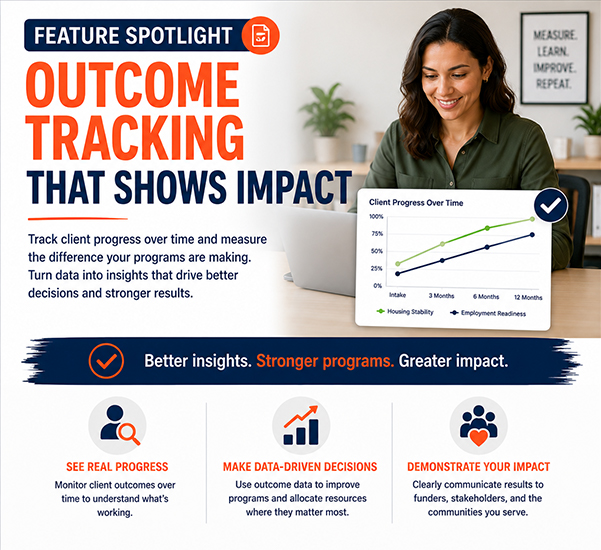
Many nonprofit organizations do an excellent job tracking activities.
They know how many clients were served, how many meals were distributed, how many classes were held, or how many referrals were completed.
While these numbers are important, they only tell part of the story.
Funders, boards, and community stakeholders increasingly want to understand the impact of programs—not just the activities performed. They want to know whether services are helping people improve their situations and achieve meaningful outcomes.
Outcome measurement helps organizations answer those questions.
Key Takeaway:
Outcome measurement focuses on the changes experienced by clients,
not simply the services delivered.
What Are Program Outcomes?
Program outcomes are the changes experienced by clients as a result of participating in a program or receiving services.
Examples include:
- Increased housing stability
- Improved employment status
- Enhanced financial literacy
- Reduced barriers to self-sufficiency
- Improved physical or mental well-being
- Greater educational achievement
Unlike activity measures, outcomes focus on results.
For example:
Activity
150 clients attended financial literacy classes.
Outcome
72% of participants improved their budgeting skills.
Both measurements are valuable, but outcomes provide a clearer picture of program effectiveness.
Why Outcome Measurement Matters
Demonstrate Impact
Outcome data helps organizations clearly communicate the difference their programs are making.
This information is often essential for:
- Grant applications
- Grant reporting
- Board presentations
- Annual reports
- Community partnerships
Improve Programs
Outcome measurement isn't just about reporting.
It also helps organizations:
- Identify what is working
- Recognize areas for improvement
- Adjust services when needed
- Allocate resources more effectively
Organizations that regularly review outcomes are often better positioned to improve service delivery over time.
Common Challenges
Many nonprofits understand the importance of outcome measurement but face obstacles when implementing a process.
Common challenges include:
Collecting Too Much Data
Organizations sometimes collect information simply because they can.
This often creates unnecessary work without providing meaningful insight.
Instead, focus on data that directly supports program goals and reporting needs.
Inconsistent Data Collection
If staff collect information differently, reports become difficult to trust.
Consistency is essential.
Clear procedures, staff training, and standardized assessments can help improve reliability.
Waiting Too Long to Measure
Outcome measurement should not happen only at the end of a program.
Organizations often gain more value by tracking progress throughout the client journey.
Best Practices for Measuring Outcomes
Start With Program Goals
"What change are we trying to create?"
The answer should guide the outcomes you measure.
Keep It Simple
Focus on a small number of meaningful indicators.
A few high-quality measures are often more valuable than dozens of disconnected data points.
Measure Progress Over Time
Comparing information across multiple assessment periods helps organizations identify trends and demonstrate growth.
Review Results Regularly
Outcome reports should be reviewed consistently.
The goal is not simply to collect data but to learn from it.
Share Success Stories
Combine outcome data with real client stories whenever possible.
Numbers show progress, while stories help people understand the human impact behind those results.
Technology Can Help
Many organizations begin by tracking outcomes using spreadsheets.
As programs grow, however, spreadsheets can become difficult to manage and maintain.
A centralized client management system can help organizations:
- Track client progress
- Maintain consistent records
- Generate reports more efficiently
- Monitor outcomes over time
- Reduce duplicate data entry
The right technology allows staff to spend less time managing information and more time serving clients.
Remember:
The goal isn't to collect more data. The goal is to collect
meaningful data that helps improve programs and demonstrate impact.
Final Thoughts
Outcome measurement is not about creating more work.
It's about understanding whether programs are making a meaningful difference.
By focusing on the outcomes that matter most, nonprofits can strengthen programs, improve decision-making, demonstrate impact, and better serve their communities.
Organizations that consistently measure outcomes are better equipped to learn, grow, and create lasting change.
Ready to Simplify Outcome Tracking?
Learn how Charity Check helps nonprofit organizations track client progress, measure outcomes, and generate meaningful reports.
Learn More